
Latest Articles
8 Tips for Avoiding Weather-Related Migraines
We have talked a little before about how weather can trigger migraines and the effect weather can have on us as migraine sufferers. I know that since moving to Florida many years ago, it became apparent to me that certain weather patters trigger a migraine for me. Having lived in England until the time I moved to the States with my husband, and subsequently moved to Florida, the weather did not affect my migraines. However, once I moved here, the weather patters took a toll on my migraines. Still, it was many years before I learned this was a trigger for me. Once armed with that crucial information, it became easier to prepared for that type of trigger. Most definitely, the barometric pressure and weather changes, plus humidity and storms affect me here in Florida. I am sure many of you can relate to that – and in fact, some of us can even predict the weather/storms, etc. before other people can.
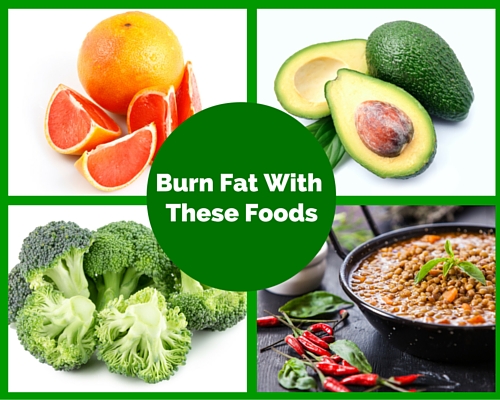
Eat These Foods and Burn Fat
Eat These Foods And Burn Fat!
Yes, it’s true! Certain foods have a very high thermogenic effect, so you literally “scorch” calories as you chew. Other foods contain nutrients and compounds that spark your metabolism. If you want to “stack the odds in your favor” in weight loss and healthy living.
In the past, I used to eat a lot of junk food, sweets, candy, and processed foods. I was on and off diets for years. Finally I saw the light! I realized that for me, eating “clean foods” and not having processed and junk foods, not only helped me lose weight and maintain my weight, but it also made me feel so much better. I now have more energy, I don’t get sick very often, and I enjoy the foods I eat.
Here are some foods to add to your diet to help you burn fat:
Inconspicuous Migraine Symptoms
Inconspicuous Migraine Symptoms: When people think “migraine,” they only tend think about the pain associated with migraine. In reality, a migraine consists of far more than the pain. A typical migraine attack actually consists of four parts, which are referred to as phases or components. It’s important to note that not every migraineur experiences all four phases. Also, a migraine attacks can vary with different phases being experienced during individual attacks.

Total Body Recharge Challenge
Total Body Recharge Challenge: Well, the New Year has come and gone…..and along the way, many people’s New Year resolutions have also GONE with it! How are you doing with your goals? If you are struggling, we have the perfect answer for you. This 16-day mini course will give you just the start you need for your goals for 2016. If you feel bloated, overweight and out of shape, this program is for you. Make 2016 your year to get your health and lifestyle in the place they should be. Have a healthy and successful 2016!

Can Drinking Alcohol Cause Migraines?
Can Drinking Alcohol Cause Migraines?
All of us who suffer with migraines know how very painful they can be, not to mention that they often put you out of action for quite some time. As we’ve discussed before, because of that, it is important for you to know what causes your migraines.
The most common trigger in women is hormonal changes related to the menstrual cycle. These changes generally decrease after menopause. Of course, hormonal changes are not the only triggers to migraines. Other possible causes of migraine include feeling tired or tense, stress, changes in the weather or atmospheric conditions, and certain foods and drinks. Thinking about some of these possible triggers and causes, it makes sense to think that the use of alcohol may play a role in the development of migraines.

Sugar Alcohol: Good or Bad
Sugar Alcohol: Good or Bad?
What is your take on sugar alcohols? Are they good or are they bad? Have you noticed whether or not your foods contain sugar alcohols? If so, have you checked to see how many grams that food contains?
If you’ve looked lately at the “Nutrition Facts” panel on a pack of sugar-free gum, candy, even protein bars and other foods, you might be surprised to see that it contains “sugar alcohol.” There’s a reason these ingredients have this consumer-friendly name — that’s because part of their structure resembles sugar and part is similar to alcohol.
Don’t be confused by the name. While they share a similar name, sugar alcohol and alcoholic beverages do not have the same chemical structure. Alcoholic beverages contain ethanol, while sugar alcohol does not.

5 Tips to Eliminate Sugar From Your Diet
5 Tips to Eliminate Sugar From Your Diet: Healthy eating isn’t always so easy…especially when you have just gone through the holiday season, and you have eaten a lot of foods that normally are not on your diet. I know I have found that to be so for myself this year. Once you start eating sugar, that addiction kicks in and it is hard to get back on the right track. If you are also struggling like that, know that you are not alone. Thousands of people are in the same position. It isn’t easy to get back on track, but you absolutely CAN do it.

Identifying and Treating Migraine
Is it Migraine – Or Something Else? Identifying and Treating Migraine Migraine is not just a headache - a statement which many migraine sufferers would totally agree with. Migraine is a different disorder with different symptoms and different treatment approaches...

Natural Migraine Relief Fast
Many people suffer from migraines – some more often than others. However often you are bombarded with the pain, nausea and other symptoms of migraines, there are a few home remedies that can be helpful. There are so many triggers for migraines but here are three “biggies:” Stress, Food Allergies, Hormonal Changes

Succeed With Your New Year’s Resolutions
Here it is already – 2016. Along with the New Year comes many New Year Resolutions. Have you made your New Year Resolutions? Are you resolutely standing behind your goals, determined to succeed? For many of us, we start out with the best intentions, but as you know, a few weeks or months into the New Year, and it gets more and more difficult to keep those resolutions. Well, you are not alone.
Did you know that 95% of New Year’s resolutions are forgotten by the last day of January?
Studies have shown that by February, many people are further behind than they were when they made the resolution! Here are a couple of ideas and tips on how to succeed.
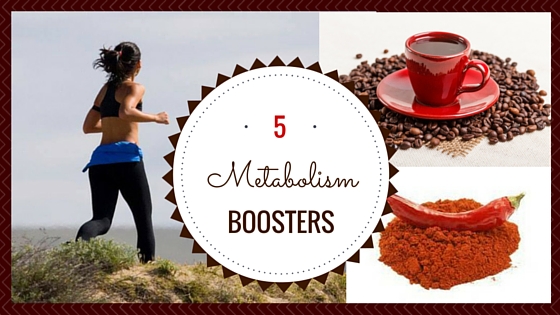
5 Simple Ways to Boost Your Metabolism
So how is it going for you with your New Year’s resolutions? Are you keeping to your goals? Are you trying to lose weight and get in shape for 2016?
If you are feeling that your weight loss journey is an uphill battle, you may be feeling frustrated, and your goals may seem far away. Do you feel as if your metabolism has slowed down, making it more difficult to attain your goals? If so, here are five simple ways to boost your metabolism.
7 Reasons Why Treating Your Migraines Should be a Priority
According to the American Migraine Foundation, 36 million Americans suffer from migraines. Of those 36 million, approximately one in every three people will seek migraine treatment. Unfortunately, only about half of migraine patients get the proper diagnosis and...